



Wallpaper does much more than add color or pattern to a space. Skilled interior designers often use wallpaper as an architectural tool—one that helps define a room's purpose, establish its personality, and create a memorable experience.
Whether it's a dramatic dining room, a cozy bedroom retreat, or a welcoming entryway, wallpaper has the unique ability to transform how a room feels. Understanding how designers use wallpaper can help homeowners make more intentional design choices and create spaces that feel thoughtfully curated.
One of the first things designers consider when entering a room is the atmosphere they want to create.
Wallpaper helps establish that identity almost instantly.
For example:
A large-scale botanical print can create a relaxed, nature-inspired environment.
A classic trellis pattern can introduce structure and sophistication.
A bold geometric wallpaper can make a room feel modern and energetic.
A delicate floral pattern can add softness and charm.
Because wallpaper covers a significant visual area, it often becomes one of the defining elements of a room's character.
Every room serves a different purpose, and wallpaper can reinforce that function.
A bedroom should feel restful and inviting. A dining room may benefit from a sense of elegance and drama. A home office might require a balance of creativity and focus.
Designers often select wallpaper based on the emotional response they want to evoke.
Bedrooms, reading rooms, and sitting areas often feature:
Soft colors
Organic patterns
Gentle textures
Subtle designs
These elements encourage relaxation and comfort.
Dining rooms, powder rooms, and entertainment spaces may feature:
Bold colors
High-contrast patterns
Large-scale prints
Dramatic visual statements
These choices create excitement and leave a lasting impression.
Modern homes frequently include open-concept layouts where multiple activities occur within a shared space.
Without walls separating every function, designers often use wallpaper to visually distinguish different zones.
For example:
A wallpapered dining area can feel separate from the adjacent living room.
A wallpapered home office nook can establish a dedicated workspace.
A wallpapered reading corner can create a sense of intimacy within a larger room.
Wallpaper provides visual boundaries without requiring physical partitions.
Every well-designed room benefits from a focal point.
Wallpaper naturally draws attention and can help highlight key architectural or decorative features.
Common focal points include:
Fireplace walls
Headboard walls
Dining room feature walls
Entryway statement walls
Built-in shelving areas
By directing the eye toward a specific area, wallpaper helps create visual order and balance.
Not every home includes dramatic moldings, built-in cabinetry, or distinctive architectural features.
Designers often use wallpaper to introduce character where architectural details are limited.
Wallpaper can:
Make tall ceilings feel more prominent
Add depth to flat walls
Emphasize alcoves and niches
Highlight trim and molding details
Create visual texture in simple spaces
Even relatively plain rooms can feel rich and layered when wallpaper is thoughtfully incorporated.
Wallpaper is one of the most effective ways to communicate a home's design style.
Different patterns immediately suggest different aesthetics.
For example:
Traditional rooms often feature:
Floral patterns
Trellis designs
Chinoiserie motifs
Classic stripes
Coastal-inspired spaces may incorporate:
Botanical patterns
Natural textures
Soft blues and greens
Breezy, relaxed motifs
Modern spaces often feature:
Abstract patterns
Geometric designs
Clean lines
Minimal color palettes
Designers use wallpaper to reinforce these stylistic choices and create a cohesive overall look.
Wallpaper is not always intended to be the most dramatic element in a room.
In some cases, designers use wallpaper to balance other design features.
For example:
Bold wallpaper may be paired with simple furnishings.
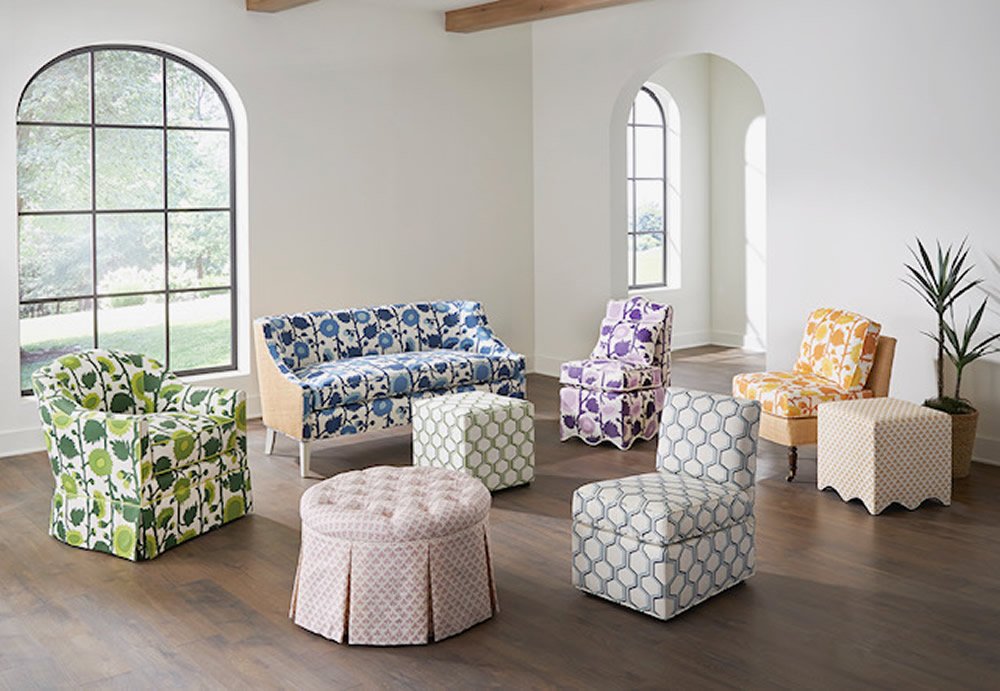
Neutral wallpaper may support colorful upholstery.
Textured wallpaper may add depth to a room filled with solid colors.
The goal is to create harmony rather than competition between design elements.
Interestingly, designers often take greater risks in smaller spaces.
Powder rooms, vestibules, laundry rooms, and hallways are popular locations for bold wallpaper because they allow homeowners to embrace patterns and colors they might hesitate to use in larger areas.
A dramatic wallpaper in a small room can create a memorable design moment while adding personality to the home.
While each room should have its own identity, designers also consider how spaces connect to one another.
Wallpaper can help create continuity throughout a home by repeating:
Similar color palettes
Related pattern styles
Shared design themes
This creates a sense of flow while allowing each room to maintain its own character.
The result feels intentional and cohesive rather than disconnected.
One reason designers love wallpaper is its ability to combine multiple design elements in a single product.
Wallpaper can simultaneously provide:
Color
Pattern
Texture
Movement
Visual depth
This layered effect helps create interiors that feel more sophisticated and complete.
Rather than relying solely on paint, wallpaper introduces complexity and personality that can elevate an entire room.
Many designers begin a room design with wallpaper rather than selecting it as a finishing touch.
A favorite wallpaper pattern can inspire:
Fabric selections
Upholstery choices
Paint colors
Decorative accessories
Lighting and artwork
When wallpaper serves as the foundation for the design, the room often feels more cohesive because every element works together to support a central vision.
Professional designers understand that wallpaper is far more than a decorative surface treatment. It is a powerful design tool that helps define a room's identity, establish mood, create focal points, reinforce architectural features, and guide the overall design direction.
Whether you're decorating a cozy bedroom, an elegant dining room, or a bold powder room, thoughtfully selected wallpaper can shape the entire experience of the space. By understanding how designers use wallpaper to define a room, homeowners can make more confident design choices and create interiors that feel intentional, beautiful, and uniquely their own.