



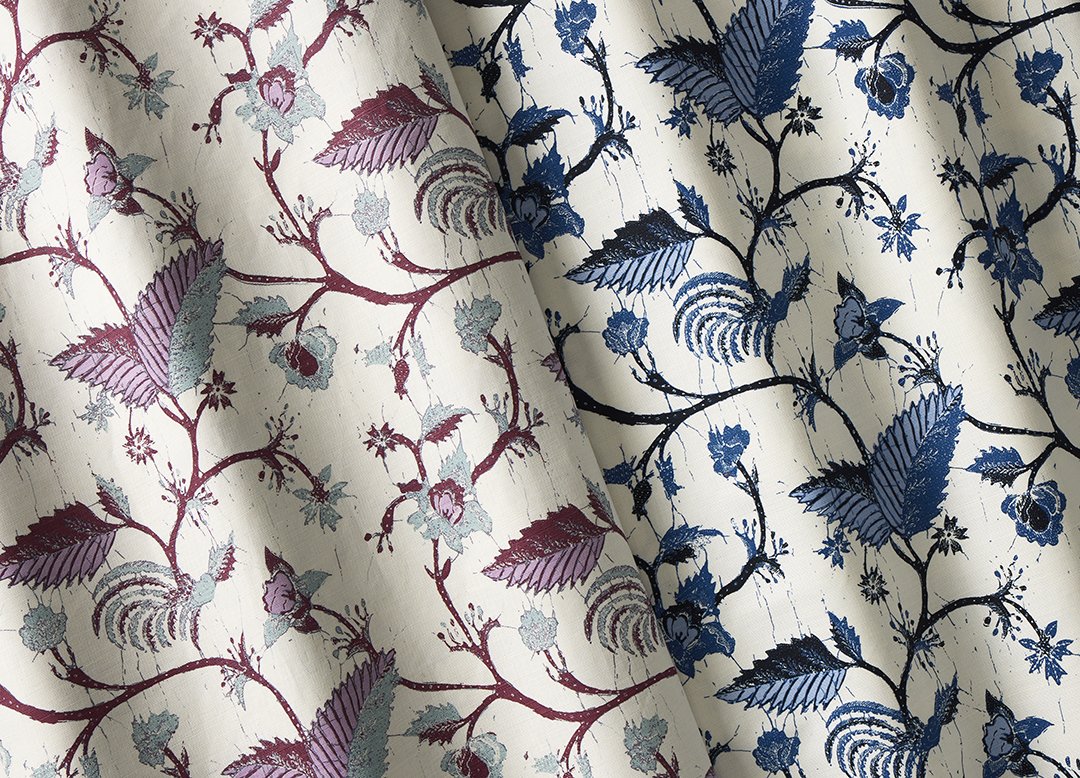
Natural light is one of the most powerful elements in interior design. It can make a room feel larger, warmer, brighter, and more inviting. While windows determine how much sunlight enters a space, the fabrics you choose have a significant impact on how that light is experienced.
From upholstery and drapery to decorative accents, fabric color, texture, weave, and pattern all influence the way light interacts with your home. Understanding these relationships helps create interiors that feel balanced and comfortable throughout the day.
When sunlight enters a room, it doesn't stop at the floor. It reflects off walls, furniture, flooring, and fabrics, creating layers of brightness and shadow.
Fabrics can:
Reflect light to brighten a space
Absorb light for a cozier atmosphere
Soften harsh sunlight
Add warmth to cooler natural lighting
Create visual depth through texture
This subtle interaction is one reason thoughtfully selected fabrics can dramatically improve an interior without changing the room's architecture.
Color is often the first thing people notice, and it plays a major role in how natural light feels.
Creams, ivories, soft whites, pale blues, and gentle neutrals reflect more sunlight, helping spaces feel:
Larger
Airier
More open
Fresh and welcoming
These colors work particularly well in rooms with limited daylight or smaller windows.
Rich navy, charcoal, emerald, chocolate, and deep burgundy absorb more light, creating interiors that feel:
Comfortable
Sophisticated
Intimate
Dramatic
In sun-filled rooms, darker fabrics can provide beautiful visual balance without making the space feel closed in.
Texture often has an even greater influence than color.
Smooth fabrics reflect light evenly, producing a clean, polished appearance.
Textured fabrics create countless tiny highlights and shadows across their surface. As sunlight changes throughout the day, these textures appear to shift, giving furniture and window treatments a more dynamic, luxurious appearance.
This is one reason premium woven fabrics often feel richer than flat materials, even when they're the same color.
Every fabric weave interacts with light differently.
Tighter weaves typically produce a smoother appearance with more consistent reflection.
Looser or more dimensional weaves scatter light across multiple angles, adding softness and depth.
Rather than simply appearing brighter or darker, woven fabrics often create visual interest that changes as the sun moves across the room.
Drapery fabrics are especially important because they determine how sunlight enters a room.
Depending on the material selected, window treatments can:
Diffuse bright afternoon sunlight
Reduce glare
Maintain privacy while preserving brightness
Add warmth to cooler daylight
Create a softer atmosphere throughout the day
Selecting the right drapery fabric allows homeowners to enjoy natural light without sacrificing comfort.
Patterns influence how the eye interprets brightness.
Large-scale designs create bold visual movement, while smaller patterns produce a quieter, more subtle effect.
High-contrast patterns naturally draw attention, while softer tonal designs blend more seamlessly into the surrounding environment.
When combined with natural light, these differences become even more noticeable, changing the overall mood of a room.
Every room receives different quality of sunlight.
North-facing rooms generally receive cooler, softer light, often benefiting from warm-toned fabrics.
South-facing rooms receive abundant sunlight throughout the day, making them ideal for a wide range of colors and textures.
East-facing rooms enjoy bright morning light, while west-facing rooms experience warmer afternoon and evening sunlight.
Considering both window orientation and fabric selection helps create interiors that feel comfortable from morning until night.
Experienced interior designers rarely select fabrics based on color alone. They also consider:
How the room is used
Window size and placement
Direction of natural light
Existing finishes and furniture
Desired atmosphere throughout the day
The result is a space that feels cohesive, comfortable, and visually balanced in every season.
Beautiful interiors aren't defined by furniture alone—they're shaped by the relationship between light, color, texture, and craftsmanship.
At Quadrille Fabrics, we design and manufacture premium decorative fabrics that help designers and homeowners create spaces with lasting beauty. By understanding how fabrics interact with natural light, it's possible to create interiors that feel brighter, warmer, richer, and more inviting every day.