



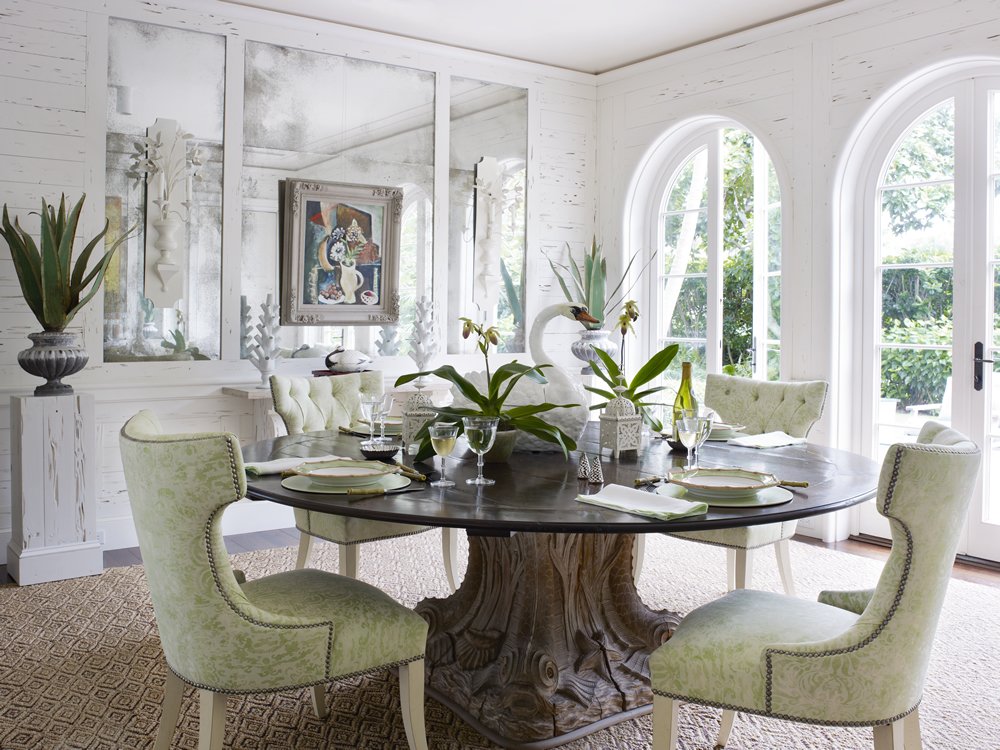
Interior design is constantly evolving. New architectural styles, changing lifestyles, and advances in manufacturing continue to shape the way homes, offices, hotels, and public spaces are designed. At the center of many of these changes is one often-overlooked element: fabric.
Today's decorative fabrics are far more than attractive coverings for furniture. Through ongoing innovation in textile manufacturing, modern fabrics offer improved durability, enhanced comfort, sophisticated textures, and practical performance features that help designers create beautiful spaces without compromising functionality.
At Quadrille Fabrics, we believe innovation is an essential part of exceptional textile manufacturing. By combining thoughtful design with advanced production techniques, modern fabrics continue to expand what's possible in interior design.
Fabric innovation refers to the continuous development of new materials, weaving methods, finishing processes, and manufacturing technologies that improve the appearance, performance, and versatility of textiles.
Innovation can involve:
New weave constructions
Improved fiber blends
Advanced finishing techniques
Enhanced durability
Better stain resistance
More sustainable manufacturing methods
Sophisticated textures
Improved color consistency
These advancements help manufacturers create fabrics that meet the evolving needs of homeowners, interior designers, furniture manufacturers, and commercial clients.
Modern interiors are expected to accomplish more than ever before.
Today's spaces often need to be:
Beautiful
Comfortable
Functional
Durable
Easy to maintain
Adaptable to changing lifestyles
Fabric innovation has played a major role in making these expectations achievable.
Whether designing an open-concept home, a boutique hotel, or a corporate office, designers rely on textiles that support both visual appeal and long-term performance.
One of the biggest drivers of fabric innovation is weaving technology.
Modern weaving equipment allows manufacturers to create increasingly sophisticated fabrics featuring:
Rich textures
Complex patterns
Improved structural stability
Greater design precision
Consistent quality
These capabilities allow designers to specify fabrics that offer both distinctive aesthetics and dependable performance.
One of the most significant developments in recent years has been the growth of performance fabrics.
These textiles are designed to better withstand the demands of modern life while maintaining their appearance.
Performance fabrics may offer:
Improved stain resistance
Enhanced abrasion resistance
Easier cleaning
Better color retention
Long-lasting durability
As homes become busier and commercial environments more demanding, these innovations have become increasingly valuable.
Modern interior design often emphasizes texture over elaborate ornamentation.
Innovative manufacturing techniques now allow fabrics to replicate or create a wide variety of tactile surfaces.
Popular examples include:
Linen-inspired weaves
Bouclé
Chenille
Basket weaves
Multi-dimensional woven textures
Fine crosshatch patterns
These fabrics introduce depth and character while maintaining clean, contemporary interiors.
Advances in dyeing and manufacturing have improved color consistency and expanded the range of available shades.
Today's decorative fabrics can achieve:
Rich neutrals
Soft earth tones
Vibrant accent colors
Multi-tone woven effects
Subtle color variations
Reliable color reproduction allows designers to coordinate fabrics across furniture collections and large commercial installations with greater confidence.
As sustainability becomes increasingly important, textile manufacturers continue exploring more efficient production methods.
Many innovations focus on:
Reducing water usage
Improving energy efficiency
Minimizing manufacturing waste
Optimizing production processes
Creating longer-lasting fabrics
Durable textiles contribute to sustainability by extending the lifespan of upholstered furniture and reducing the need for frequent replacement.
Furniture quality depends heavily on the textiles used to upholster it.
Innovative fabric construction allows manufacturers to produce upholstery that maintains its:
Shape
Appearance
Texture
Color
Structural integrity
These improvements help furniture continue looking attractive despite years of everyday use.
Homeowners increasingly seek interiors that balance comfort with practicality.
Innovative decorative fabrics make it possible to furnish living spaces that are both stylish and functional.
Popular residential applications include:
Sofas
Accent chairs
Dining chairs
Headboards
Decorative cushions
Window treatments
Modern fabrics allow these furnishings to perform beautifully while complementing a wide variety of interior design styles.
Hotels, restaurants, offices, healthcare facilities, and public spaces require fabrics capable of withstanding frequent use.
Textile innovation has made it easier to produce commercial fabrics that combine:
Attractive appearance
Long-term durability
Easier maintenance
Consistent performance
This balance helps businesses create welcoming environments while managing maintenance costs.
Modern textile manufacturing incorporates sophisticated equipment that enhances consistency throughout production.
Advanced technologies support:
Precise weaving
Accurate color matching
Detailed quality inspections
Uniform finishing
Consistent production standards
Improved precision benefits everyone involved, from manufacturers and furniture makers to designers and end users.
Innovation also gives designers greater creative flexibility.
Manufacturers can develop fabrics featuring:
Unique textures
Exclusive color palettes
Specialized weave constructions
Custom patterns
Tailored performance characteristics
These capabilities allow furniture manufacturers and interior designers to create distinctive collections that reflect their individual design vision.
Innovation doesn't happen overnight. It requires ongoing research, investment, and collaboration between designers, engineers, and textile specialists.
Leading manufacturers continually evaluate new materials, weaving methods, and finishing processes to improve both product quality and manufacturing efficiency.
This commitment to continuous improvement helps ensure that today's decorative fabrics remain relevant as design trends and customer expectations evolve.
Choosing the right textile partner can make a meaningful difference in the success of a design project.
Experienced manufacturers combine technical expertise with creative insight to develop fabrics that balance aesthetics, durability, and practicality.
A strong commitment to innovation helps ensure every collection reflects the latest advancements in textile manufacturing while maintaining timeless design principles.
At Quadrille Fabrics, innovation is woven into everything we create. We design and manufacture decorative fabrics that combine exceptional craftsmanship with modern manufacturing techniques to deliver textiles that perform beautifully in residential, hospitality, and commercial environments.
From sophisticated woven textures to durable upholstery solutions, our collections are designed to help interior designers, architects, furniture manufacturers, and homeowners bring inspired spaces to life.
Fabric innovation continues to shape the future of interior design by expanding what's possible in both aesthetics and performance. Advances in weaving technology, finishing techniques, color consistency, and material development have transformed decorative fabrics into sophisticated design tools capable of meeting the demands of today's interiors.
Whether creating a contemporary home, a luxury hotel, or a commercial workspace, innovative textiles provide designers with greater flexibility, improved durability, and endless creative possibilities. By partnering with an experienced manufacturer committed to quality and innovation, you can select fabrics that enhance every space with lasting beauty, comfort, and performance.