



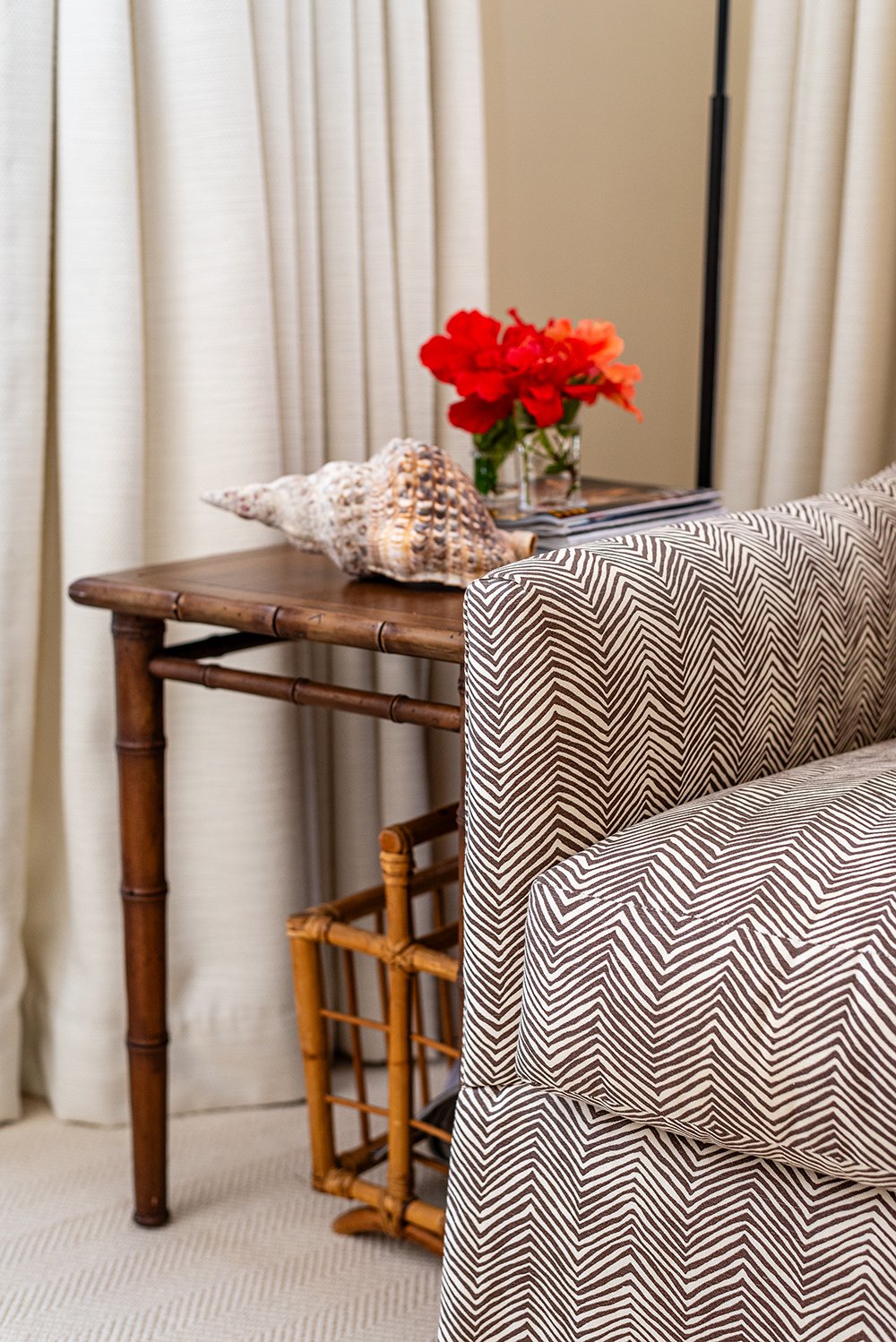
Decorative fabrics are designed to enhance interiors with beautiful colors, rich textures, and timeless patterns. However, even the highest-quality textiles can gradually lose their vibrancy if they are exposed to conditions that cause fading. Whether used for upholstery, drapery, cushions, or commercial interiors, protecting fabrics from premature fading is an important part of preserving their appearance and extending their lifespan.
Fortunately, fabric fading is often preventable with proper care, thoughtful product selection, and routine maintenance. By understanding what causes fading and how to reduce its effects, homeowners, interior designers, architects, and facility managers can keep decorative fabrics looking their best for many years.
Fabric fading occurs when dyes and fibers are gradually affected by environmental conditions. While some change is natural over a long period of time, excessive fading is often the result of prolonged exposure to damaging elements.
Common causes include:
Direct sunlight
Ultraviolet (UV) radiation
Heat
Frequent washing
Harsh cleaning products
Airborne pollutants
Everyday wear and friction
Understanding these factors is the first step toward protecting your fabrics.
Sunlight is the leading cause of fabric fading.
Ultraviolet (UV) rays gradually break down the dyes within textiles, causing colors to become lighter or uneven over time.
Rooms with:
Large windows
Skylights
South-facing exposure
Glass doors
often experience greater UV exposure than other areas of the home or commercial space.
Even indirect sunlight can slowly affect fabrics over several years.
Not all decorative fabrics respond to sunlight in the same way.
Fade resistance depends on several factors, including:
Fiber composition
Dye quality
Manufacturing methods
Fabric construction
Performance finishes
Premium fabrics are often engineered with colorfast dyes and manufacturing processes that improve long-term color retention.
Choosing high-quality textiles is one of the most effective ways to reduce fading.
If a room receives significant natural light, selecting fade-resistant fabrics from the beginning can help preserve the appearance of the space.
These fabrics are designed to better withstand prolonged exposure to sunlight while maintaining their original color.
Fade-resistant textiles are especially beneficial for:
Living rooms
Sunrooms
Offices
Hotels
Restaurants
Coastal properties
Spaces with floor-to-ceiling windows
Although no fabric is completely immune to fading, products designed for high-light environments generally perform much better over time.
Reducing direct UV exposure is one of the simplest ways to protect decorative fabrics.
Consider:
Closing drapes during peak sunlight hours
Using blinds or shades
Installing UV-filtering window film
Layering sheer curtains with heavier drapery
These solutions allow natural light into the room while helping protect upholstered furniture and decorative textiles.
Furniture cushions often receive uneven exposure to sunlight.
Rotating and flipping removable cushions helps distribute both sunlight and everyday wear more evenly.
Benefits include:
More consistent color
Even wear patterns
Extended furniture life
Reduced noticeable fading
This simple maintenance habit can make a significant difference over time.
If practical, moving furniture slightly every so often can help prevent one area from receiving constant sunlight while another remains shaded.
This practice is especially useful for:
Accent chairs
Ottomans
Benches
Decorative pillows
Even small adjustments can reduce uneven fading.
Many modern performance fabrics are engineered to resist environmental wear, including exposure to sunlight.
Depending on the product, these textiles may offer:
Improved colorfastness
Enhanced UV resistance
Better durability
Easier maintenance
Performance fabrics are excellent choices for busy households and commercial environments where both appearance and longevity are important.
Improper cleaning methods can contribute to premature fading.
Avoid:
Harsh chemical cleaners
Bleach-based products
Abrasive scrubbing
Excessive moisture
Instead, follow the manufacturer's care recommendations and use cleaning methods appropriate for the specific fabric.
Routine maintenance helps preserve both color and texture.
Dust and dirt may seem harmless, but over time they can contribute to fabric wear.
Regular vacuuming with a soft upholstery attachment helps remove particles before they become embedded in the fibers.
Routine cleaning supports:
Better appearance
Improved fabric longevity
Reduced surface abrasion
Clean fabrics not only look better—they also age more gracefully.
Different rooms receive different amounts of sunlight throughout the day.
For example:
South-facing rooms often receive the strongest sunlight.
West-facing rooms experience intense afternoon sun.
East-facing rooms receive gentler morning light.
North-facing rooms generally receive softer, indirect light.
Understanding window orientation can help guide fabric selection and placement.
Hotels, restaurants, offices, and retail environments often feature large windows designed to maximize natural light.
While visually appealing, these spaces may place greater demands on decorative fabrics.
Commercial interiors often benefit from:
Fade-resistant textiles
UV-filtering glass
Routine maintenance schedules
Strategic furniture placement
These measures help preserve a professional appearance while reducing replacement costs.
The long-term appearance of decorative fabrics begins during manufacturing.
Experienced textile manufacturers carefully consider:
Fiber selection
Dye technology
Weave construction
Color consistency
Performance testing
High-quality manufacturing contributes significantly to improved fade resistance and overall durability.
Protecting fabrics is about more than avoiding sunlight.
A complete care routine includes:
Regular vacuuming
Prompt spill cleanup
Rotating cushions
Following care instructions
Managing environmental conditions
Choosing appropriate fabrics for each space
Small preventive measures often provide the greatest long-term benefits.
Recognizing early signs of fading allows you to make adjustments before significant color loss occurs.
Watch for:
Uneven coloration
Lighter areas near windows
Reduced pattern definition
Dull appearance
Noticeable contrast between exposed and protected sections
Addressing sunlight exposure early can slow further fading.
When selecting decorative fabrics for rooms with abundant natural light, consider:
Fade resistance
Colorfastness
Performance characteristics
Maintenance requirements
Intended application
Working with experienced textile professionals helps ensure fabrics are matched to the specific conditions of each project.
Reliable manufacturers understand that decorative fabrics must remain beautiful throughout years of everyday use.
By combining premium materials, advanced dyeing techniques, rigorous testing, and careful quality control, experienced manufacturers create textiles that provide lasting color, durability, and performance.
Choosing a trusted manufacturer is one of the best investments you can make in the long-term beauty of an interior.
Preventing fabric fading begins with understanding the environmental factors that affect decorative textiles. By selecting high-quality fade-resistant fabrics, managing sunlight exposure, following proper cleaning practices, and maintaining a regular care routine, you can significantly extend the life and beauty of your fabrics.
Whether you're furnishing a family home, designing a hospitality project, or specifying materials for a commercial interior, protecting decorative fabrics ensures they continue enhancing your space for years to come.
At Quadrille Fabrics, we design and manufacture decorative fabrics with both beauty and longevity in mind. Through thoughtful material selection, precision manufacturing, and a commitment to quality, we create textiles that maintain their elegance and performance, helping interiors remain vibrant long after installation.