



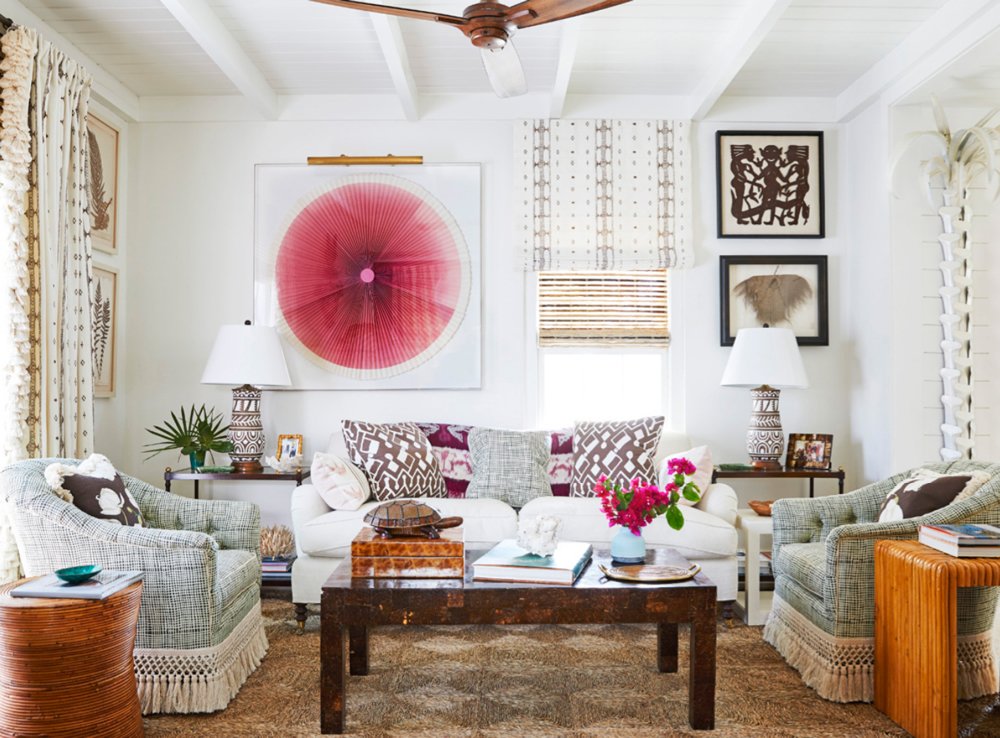
Decorative fabrics are much more than beautiful finishing touches. They shape the atmosphere of a room, add texture and warmth, improve comfort, and help define a property's overall style. From luxurious upholstered furniture and elegant drapery to decorative pillows and commercial interiors, the right fabric can completely transform a space.
Whether you're a homeowner planning a renovation, an interior designer sourcing premium textiles, an architect specifying materials, or a furniture manufacturer looking for reliable products, understanding decorative fabrics is essential to creating interiors that are both beautiful and functional.
This comprehensive guide explores everything you need to know about decorative fabrics—from how they're made and the different types available to selecting the right fabric for your project and caring for it over time.
Decorative fabrics are textiles specifically designed to enhance interior spaces. Unlike fabrics intended primarily for clothing or industrial applications, decorative textiles focus on combining aesthetics with durability, making them suitable for furnishings and architectural interiors.
They are commonly used for:
Upholstered furniture
Drapery and curtains
Decorative pillows
Bedding
Headboards
Ottomans
Benches
Wall panels
Window treatments
Hospitality interiors
Commercial seating
Decorative fabrics help create comfortable, visually appealing spaces while also meeting practical performance requirements.
Fabric influences nearly every aspect of interior design.
It affects:
Comfort
Texture
Color
Light
Acoustics
Mood
Durability
Overall design cohesion
A thoughtfully selected textile can make a room feel warm and inviting, elegant and luxurious, or clean and contemporary.
Because fabrics cover large surfaces throughout an interior, they often become one of the defining elements of the design.
Every decorative fabric is the result of multiple design and manufacturing decisions.
Important factors include:
The fibers used influence:
Strength
Texture
Appearance
Durability
Maintenance
Manufacturers may choose natural fibers, synthetic fibers, or blended materials depending on the intended application.
Fibers are spun into yarn before weaving.
The quality of the yarn affects:
Surface texture
Uniformity
Strength
Visual appearance
The weave determines much of a fabric's performance and character.
Common weave types include:
Plain weave
Twill weave
Satin weave
Jacquard weave
Basket weave
Each provides different visual and functional characteristics.
Decorative fabrics come in many styles and constructions.
Popular categories include:
Designed for furniture that receives regular use, upholstery fabrics prioritize durability while maintaining an attractive appearance.
These fabrics are selected for their ability to hang beautifully while providing privacy, light control, and elegance.
Performance fabrics are engineered for increased durability and easier maintenance.
They often offer:
Stain resistance
Fade resistance
Easy cleaning
Moisture resistance
Rich woven textures create visual depth and help interiors feel more inviting.
Decorative patterns can become focal points within a room while adding personality and movement.
Every project has unique requirements.
Before selecting a fabric, consider:
Intended application
Expected traffic
Maintenance needs
Desired texture
Color palette
Lighting conditions
Overall design style
The best fabric is one that balances both beauty and functionality.
Color has a powerful influence on interior design.
Neutral colors create flexibility and timeless elegance.
Popular neutral tones include:
Ivory
Cream
Beige
Taupe
Gray
Charcoal
Nature-inspired colors such as olive, sage, sand, and clay continue to grow in popularity because they create calming, sophisticated interiors.
Texture is often just as important as color.
It influences how people perceive:
Warmth
Comfort
Luxury
Sophistication
Even subtle woven textures can dramatically change the atmosphere of a room.
Layering different textures creates depth while maintaining visual harmony.
Patterns introduce personality and movement into interior spaces.
Popular choices include:
Geometric designs
Florals
Stripes
Abstract motifs
Tonal patterns
Organic-inspired designs
Successful interiors balance bold statement fabrics with quieter supporting textiles.
Beautiful fabrics should also perform well over time.
Important performance characteristics include:
Abrasion resistance
Colorfastness
Fade resistance
Pilling resistance
Seam strength
Dimensional stability
Understanding these specifications helps ensure fabrics are matched to their intended use.
Homes require fabrics that balance beauty with everyday practicality.
Popular residential applications include:
Living rooms
Bedrooms
Dining spaces
Home offices
Reading areas
Many homeowners choose performance fabrics to simplify maintenance while preserving elegant interiors.
Commercial environments place greater demands on textiles.
Hotels, restaurants, offices, healthcare facilities, and retail spaces require fabrics capable of handling:
Heavy traffic
Frequent cleaning
Continuous use
Long-term durability
Commercial performance fabrics help businesses maintain attractive interiors while reducing replacement costs.
Sustainability has become an increasingly important consideration in textile manufacturing.
Manufacturers continue developing processes that emphasize:
Efficient production
Waste reduction
Durable products
Long product life
Responsible material selection
Long-lasting decorative fabrics naturally contribute to more sustainable interior design by reducing the need for frequent replacement.
Decorative fabric manufacturing combines creativity with precision engineering.
The process generally includes:
Design development
Fiber selection
Yarn production
Weaving
Pattern creation
Color development
Finishing
Quality control
Performance testing
Final inspection
Every stage contributes to the finished fabric's appearance, durability, and performance.
High-quality decorative fabrics provide benefits that extend well beyond appearance.
Premium textiles often offer:
Better craftsmanship
Superior consistency
Longer lifespan
Richer texture
Improved durability
Greater color stability
Enhanced comfort
Investing in quality fabrics frequently reduces long-term replacement costs.
Proper maintenance helps preserve both appearance and performance.
Recommended practices include:
Regular vacuuming
Prompt spill cleanup
Cushion rotation
Sunlight management
Following manufacturer care instructions
Professional cleaning when appropriate
Routine maintenance significantly extends fabric lifespan.
Avoid these common mistakes:
Beautiful fabrics should also suit the intended application.
Furniture in busy areas requires stronger textiles than decorative accent pieces.
Select fabrics with cleaning requirements appropriate for the environment.
Texture, weave, pattern, and performance are equally important.
Natural light influences how fabrics appear throughout the day and can affect long-term color retention.
Some decorative fabric trends continue to remain popular year after year.
These include:
Rich woven textures
Neutral color palettes
Organic-inspired tones
Layered textiles
Performance fabrics
Classic patterns
Timeless craftsmanship
Rather than chasing short-term trends, many designers focus on creating interiors with lasting appeal.
Selecting the right manufacturer is just as important as choosing the right fabric.
Look for a company that emphasizes:
Design expertise
Premium materials
Manufacturing precision
Rigorous quality control
Performance testing
Consistent production
Customer support
A trusted manufacturer provides confidence that every fabric will meet the highest standards of quality and reliability.
At Quadrille Fabrics, we believe decorative textiles should do more than simply look beautiful—they should enhance the spaces where people live, work, gather, and create lasting memories.
Our approach combines thoughtful design, premium materials, precision manufacturing, and meticulous quality control to produce fabrics that meet the needs of residential, hospitality, commercial, and custom interior projects.
From timeless woven textures and elegant patterns to durable performance fabrics, every collection is developed with the goal of delivering exceptional beauty, consistency, and long-term value.
Decorative fabrics are one of the most influential elements of interior design. They shape the character of a room, improve comfort, introduce texture and color, and contribute to the overall quality of a finished space. Understanding how fabrics are designed, manufactured, selected, and maintained allows homeowners, designers, architects, and furniture manufacturers to make informed decisions that stand the test of time.
Whether you're furnishing a single room, designing a luxury residence, specifying materials for a hospitality project, or manufacturing custom furniture, choosing high-quality decorative fabrics is an investment in lasting beauty and performance.
At Quadrille Fabrics, we're proud to design and manufacture decorative fabrics that combine craftsmanship, innovation, and reliability. Our commitment to quality ensures every fabric is created to inspire exceptional interiors today and for years to come.