



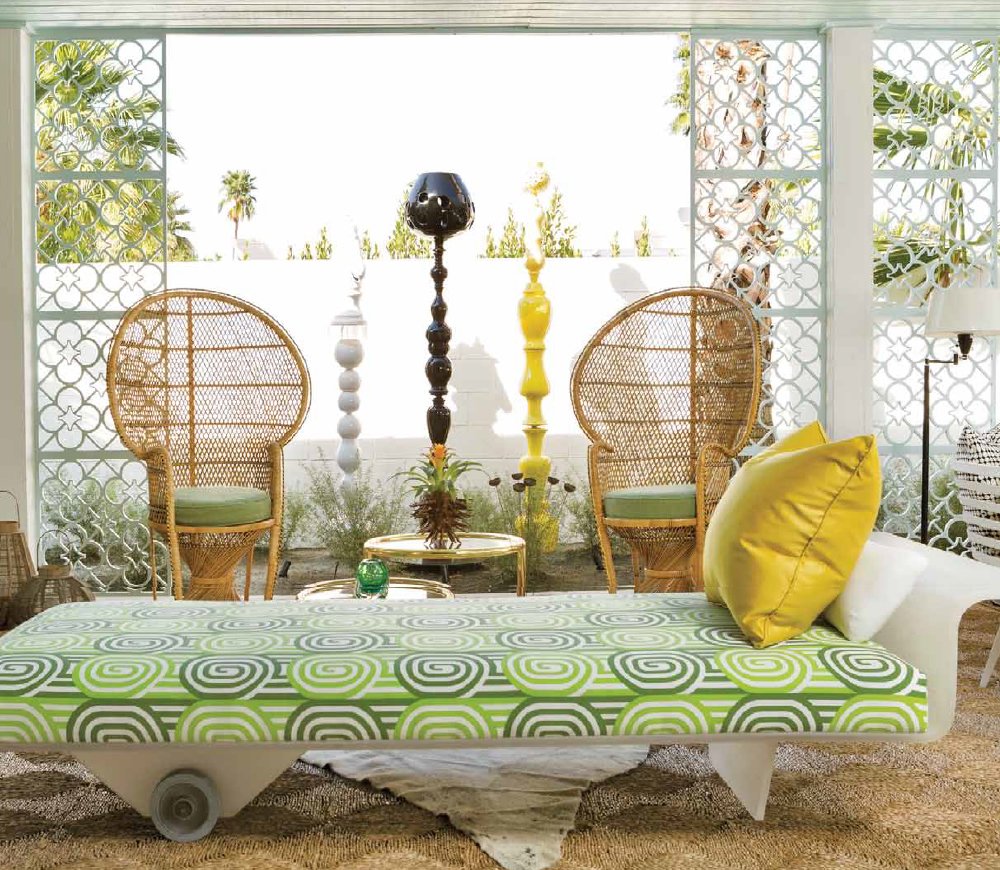
In fabric manufacturing, quality is measured by more than just beautiful patterns or luxurious textures. One of the defining characteristics of an exceptional textile manufacturer is consistency. Whether producing decorative fabrics for residential interiors, hospitality projects, furniture manufacturers, or commercial spaces, delivering the same high standard with every production run is essential.
Consistency ensures that every yard of fabric meets the same expectations for color, texture, performance, and appearance. It allows designers to complete projects with confidence, furniture manufacturers to maintain production schedules, and customers to receive products that match their original vision.
For companies that design and manufacture fabrics, consistency isn't simply a manufacturing goal—it's the foundation of quality.
Consistency refers to the ability to produce fabrics that remain uniform throughout every stage of manufacturing and across multiple production runs.
This includes maintaining:
Consistent color
Uniform texture
Accurate pattern alignment
Reliable fabric width
Even weave construction
Predictable performance
High-quality finishes
Customers expect the fabric they order today to closely match the fabric they purchase months—or even years—later. Achieving that level of reliability requires careful planning and rigorous quality control.
Decorative fabrics are used in projects where precision matters.
A slight variation in color or texture may seem insignificant on a single fabric sample, but it can become highly noticeable when applied across:
Large sofas
Sectionals
Hotel lobbies
Restaurant seating
Window treatments
Custom furniture
Commercial interiors
Consistency ensures every component works together seamlessly.
Interior designers rely on manufacturers to deliver fabrics exactly as specified.
Projects are often planned months in advance, and additional fabric may be required during installation or future renovations.
Consistent manufacturing allows designers to:
Reorder fabrics confidently
Match existing furniture
Complete phased projects
Maintain design continuity
Reliable consistency builds long-term relationships between manufacturers and design professionals.
Furniture manufacturers depend on fabrics that remain consistent throughout production.
Even small variations can create challenges such as:
Mismatched furniture pieces
Delayed production
Increased material waste
Customer dissatisfaction
Consistent fabrics allow manufacturers to streamline production while maintaining the high standards their customers expect.
Color is one of the most important aspects of decorative fabric manufacturing.
Customers expect a fabric's color to remain uniform from one production run to the next.
Maintaining color consistency requires careful control of:
Dye formulations
Manufacturing conditions
Lighting evaluations
Batch testing
Quality inspections
Accurate color matching is especially important for commercial projects where additional fabric may be ordered months after the initial installation.
Weaving determines much of a fabric's appearance and performance.
Manufacturers carefully monitor:
Thread tension
Yarn placement
Weave density
Fabric structure
Production speed
Uniform weaving ensures fabrics maintain the same look, feel, and durability throughout every roll.
Decorative fabrics often feature detailed woven or printed patterns.
Maintaining pattern consistency means ensuring:
Repeat accuracy
Proper alignment
Balanced proportions
Clear design definition
This is especially important for:
Large-scale florals
Geometric designs
Stripes
Jacquard fabrics
Custom patterns
Consistent patterns help create polished, professional interiors.
Texture adds depth and character to decorative fabrics.
However, texture must remain uniform across production.
Manufacturers carefully evaluate:
Surface appearance
Yarn distribution
Raised details
Woven effects
Overall hand feel
Consistent texture allows multiple furniture pieces or window treatments to coordinate beautifully.
Fabric width influences cutting layouts, upholstery, and material estimates.
Even small variations can affect:
Furniture production
Pattern placement
Material efficiency
Installation
Maintaining accurate width throughout manufacturing improves both production efficiency and project planning.
Appearance is only part of the equation.
Decorative fabrics must also perform consistently over time.
Manufacturers work to ensure every production run delivers reliable:
Abrasion resistance
Colorfastness
Fade resistance
Seam strength
Dimensional stability
Overall durability
Consistent performance helps customers trust that every order will meet the same expectations.
Consistency does not happen by accident.
It requires comprehensive quality control throughout the manufacturing process.
Manufacturers inspect:
Raw materials
Yarn quality
Weaving accuracy
Color development
Pattern alignment
Finishing processes
Final fabric inspection
Continuous monitoring allows potential issues to be identified and corrected before fabrics reach customers.
Modern textile manufacturing combines advanced technology with experienced craftsmanship.
Automated systems help maintain:
Precise measurements
Accurate weaving
Production efficiency
Repeatable manufacturing
At the same time, skilled professionals evaluate the finer details that technology alone cannot fully assess, such as visual balance, texture, and overall fabric quality.
The combination of technology and human expertise creates exceptional consistency.
Reliable manufacturing also improves sustainability.
Consistent production reduces:
Defective products
Material waste
Rework
Production delays
Resource consumption
Producing quality fabrics correctly the first time benefits both manufacturers and customers while supporting more efficient operations.
Commercial projects often involve hundreds—or even thousands—of yards of fabric.
Hotels, offices, healthcare facilities, and hospitality spaces require materials that remain consistent throughout the project.
Uniform fabrics help ensure:
Matching furniture
Cohesive interiors
Predictable installation
Professional results
Without consistency, even carefully designed spaces can appear unfinished or mismatched.
Many interior projects evolve over time.
Additional furniture may be added years later, or damaged pieces may need to be reupholstered.
Manufacturers committed to consistency make it easier to source matching fabrics for:
Renovations
Expansions
Repairs
Future installations
This long-term reliability provides significant value for designers and property owners alike.
When selecting a fabric supplier, consistency should be one of the most important considerations.
Look for manufacturers that demonstrate expertise in:
Quality control
Precision manufacturing
Material selection
Performance testing
Color management
Long-term product reliability
A trusted manufacturer delivers more than attractive fabrics—they provide confidence with every order.
Consistency is one of the most important indicators of excellence in fabric manufacturing. It ensures that every roll of fabric delivers the same beauty, performance, texture, and quality, regardless of when it is produced.
From helping interior designers complete complex projects to supporting furniture manufacturers with reliable materials, consistency builds trust throughout the entire supply chain. It also contributes to greater efficiency, reduced waste, and long-lasting customer satisfaction.
At Quadrille Fabrics, consistency is woven into every stage of the manufacturing process. Through expert craftsmanship, advanced production techniques, and rigorous quality control, we create decorative fabrics that professionals can rely on—project after project, year after year.