



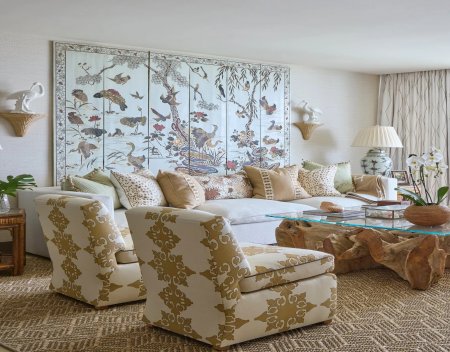
In a world increasingly focused on speed, automation, and mass production, handmade details continue to represent something rare: craftsmanship, intention, and authenticity. In interior design, these details can transform ordinary spaces into memorable environments by adding depth, character, and a sense of individuality.
From carefully woven textiles to custom fabric finishes and thoughtful design elements, handmade craftsmanship brings a level of attention that is difficult to replicate through purely automated processes.
For interior designers, architects, homeowners, and furniture manufacturers, understanding the value of handmade details can help create spaces that feel more personal, refined, and timeless.
Handmade details represent the skill and experience of the people who create them. Rather than relying only on standardized production methods, handcrafted elements often involve careful observation, precision, and artistic decision-making.
This attention to detail creates qualities such as:
Individual character
Exceptional craftsmanship
Unique visual appeal
Greater authenticity
A stronger connection between maker and material
These qualities are especially valuable in luxury interiors where every element contributes to the overall experience of a space.
Fabric manufacturing combines technology and craftsmanship, but human expertise remains essential.
Experienced textile professionals understand how small adjustments can influence the final result, including:
Yarn selection
Weave structure
Pattern development
Color balance
Surface texture
Finishing techniques
This knowledge comes from years of experience and cannot always be replaced by automated systems.
The human eye plays an important role in creating fabrics that feel balanced, sophisticated, and visually engaging.
Mass-produced products often prioritize consistency and efficiency. While this approach is valuable for many applications, handmade details offer something different: uniqueness.
In interior design, individuality matters.
A thoughtfully crafted textile can become a defining feature of a room, adding personality through:
Intricate patterns
Rich textures
Subtle variations
Custom design elements
These details help spaces feel curated rather than generic.
Luxury interiors are often defined by details that are not immediately obvious.
A room may appear simple at first glance, but the quality of the materials, finishes, and craftsmanship creates a lasting impression.
Handmade elements contribute to luxury through:
Refined textures
Exceptional attention to detail
Authentic materials
Thoughtful construction
This is why high-end designers often prioritize craftsmanship when selecting fabrics and furnishings.
Interior spaces are experienced through more than appearance.
Texture influences how people interact with their surroundings. A carefully crafted fabric can create feelings of:
Comfort
Warmth
Sophistication
Relaxation
Connection
Handmade details often enhance these sensory qualities by creating surfaces that invite closer attention.
Craftsmanship represents knowledge passed through generations.
Many textile techniques require specialized skills developed over years of practice.
Supporting handmade production helps preserve:
Traditional methods
Artisan expertise
Textile heritage
Creative innovation
These skills contribute to the continued evolution of fabric design and manufacturing.
Some people associate handmade products with traditional or old-fashioned design.
However, modern craftsmanship combines traditional knowledge with contemporary creativity.
Today's handmade-inspired fabrics can feature:
Modern color palettes
Contemporary patterns
Advanced materials
Innovative weaving techniques
The result is a balance between heritage and modern design.
Mass production offers efficiency, consistency, and scalability. These qualities are valuable, especially for large projects.
However, handmade approaches often provide additional benefits:
Handcrafted elements receive careful inspection and adjustment throughout the process.
Small variations can create visual depth and authenticity.
Handmade techniques often allow greater flexibility for unique design requests.
The process itself contributes to the story behind the finished product.
Interior designers often seek materials that help create distinctive spaces.
Handmade details allow designers to offer clients:
Customization
Exclusive designs
Rich textures
Memorable interiors
A carefully crafted textile can become a signature element that defines an entire room.
Hotels, restaurants, and luxury hospitality spaces frequently use handcrafted details to create memorable guest experiences.
Unique textiles can help establish:
Brand identity
Comfort
Sophistication
A sense of place
Guests may not consciously identify every handcrafted detail, but these elements often influence how they perceive the quality and atmosphere of the space.
Handmade craftsmanship often emphasizes durability and careful construction.
When materials are created with attention and expertise, the result is often a product designed for long-term enjoyment.
Quality craftsmanship supports:
Longer product life
Better performance
Reduced replacement needs
Greater appreciation over time
This focus on longevity aligns with a growing preference for thoughtful, sustainable design.
Exceptional fabrics require both creativity and technical understanding.
Experienced manufacturers combine:
Skilled craftsmanship
Advanced production methods
Careful quality control
Deep material knowledge
This combination allows fabrics to achieve the ideal balance of beauty, functionality, and durability.
When selecting textiles, many designers and homeowners are looking for more than a surface covering. They want materials with a story.
Handmade details add meaning by connecting the finished product to:
The designer's vision
The manufacturer's expertise
The materials used
The craftsmanship involved
This creates a stronger relationship between people and the spaces they inhabit.
Handmade details matter because they represent the value of craftsmanship in an increasingly automated world. They bring authenticity, individuality, and emotional depth to interior spaces while celebrating the skill and creativity behind exceptional design.
Whether incorporated through woven textiles, custom finishes, or carefully crafted decorative elements, handmade details help create interiors that feel unique, refined, and timeless.
At Quadrille Fabrics, we believe great textiles are created through a combination of innovation, expertise, and attention to detail. By respecting craftsmanship and embracing thoughtful design, we create fabrics that bring lasting beauty and character to residential and commercial interiors.