



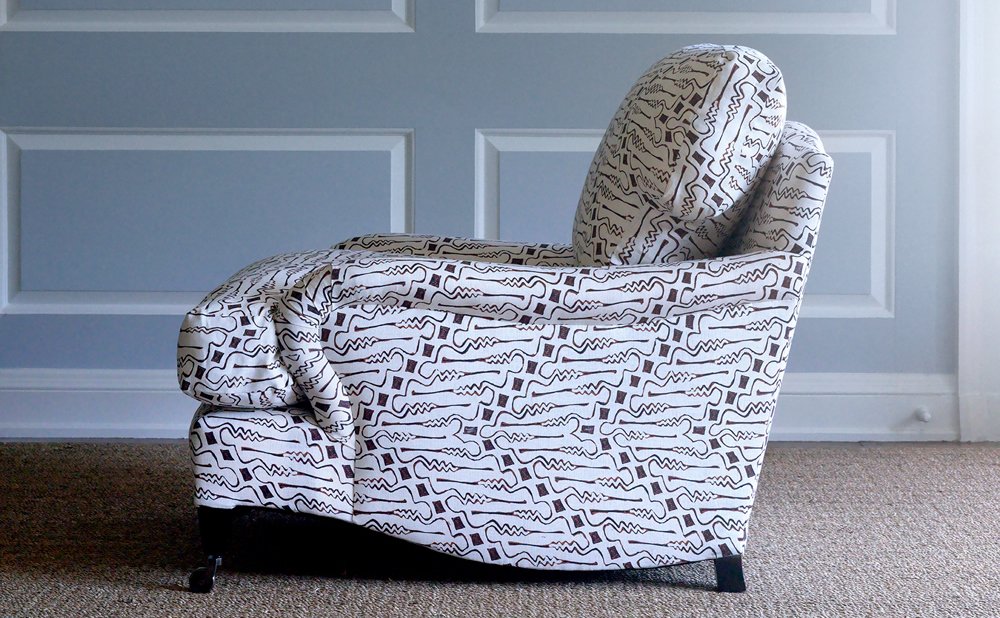
Custom printed fabric gives homeowners and interior designers the opportunity to create interiors that feel personal, coordinated, and unlike any other. Whether you're designing custom drapery, upholstering furniture, or creating a whole-home fabric scheme, customization offers remarkable flexibility.
At the same time, choosing custom printed fabric involves more planning than selecting a standard fabric from an existing collection.
By understanding the process and asking the right questions before you begin, you can make informed decisions that lead to beautiful, lasting results.
Here are the most important things to consider before choosing custom printed fabric.
Before selecting a fabric pattern or colorway, think about the room as a whole.
Ask yourself:
What style am I creating?
Should the room feel relaxed or formal?
Will the fabric become a focal point or a supporting element?
What mood do I want the space to have?
A clear design vision makes every decision that follows much easier.
Rather than choosing fabric in isolation, think about how it contributes to the complete interior.
The intended application should always influence your fabric selection.
Custom printed fabric can be used for:
Curtains
Upholstery
Decorative pillows
Roman shades
Headboards
Bedding accents
Dining chairs
Benches
Window seats
Different applications may require different fabric grounds, weights, or construction.
Choosing the right fabric for its intended use helps ensure both beauty and long-term performance.
One of the biggest advantages of custom printed fabric is the ability to coordinate colors.
Before requesting custom colors, consider the entire room.
Look at:
Paint colors
Wallpaper
Flooring
Cabinetry
Rugs
Upholstery
Artwork
Decorative accessories
The goal isn't always to create exact matches.
Instead, designers typically build a harmonious palette where colors complement one another naturally.
A pattern that looks beautiful on a fabric sample may feel completely different when used across an entire sofa or set of curtains.
Think about where the fabric will be installed.
Large-scale florals often make dramatic headboards and drapery.
Smaller patterns may work well for dining chairs or decorative pillows.
Pattern scale should always be appropriate for both the furniture and the size of the room.
The same printed pattern can look remarkably different depending on the fabric it's printed on.
Ground cloth affects:
Texture
Drape
Weight
Durability
Overall appearance
Linen, cotton, and linen-cotton blends each create a different visual effect.
When selecting custom printed fabric, consider how the base material supports the finished project.
If your room includes wallpaper, think about how the fabric will interact with it.
Successful interiors rarely rely on perfect matching.
Instead, designers coordinate colors, scale, and overall style.
For example, curtains might echo one of the secondary colors in the wallpaper, while upholstery introduces additional texture.
This layered approach creates visual interest while maintaining a cohesive design.
Rather than selecting a fabric for one piece of furniture, think about how it fits into the complete room.
Will the fabric coordinate with:
Window treatments?
Upholstery?
Accent pillows?
Bedding?
Wallpaper?
Area rugs?
Considering the room as a whole leads to more thoughtful and balanced design decisions.
Never choose custom printed fabric based solely on photographs.
Samples allow you to evaluate:
Color accuracy
Texture
Pattern scale
Print quality
Lighting conditions
Coordination with other materials
View samples at different times of day and under both natural and artificial light.
This simple step can make a significant difference in the final result.
Custom printed fabric often involves additional design, review, and production steps.
Depending on the project, there may be time needed for:
Color development
Sample review
Design approval
Printing
Finishing
If your project has a strict deadline, discuss production timelines early in the planning process.
Allowing enough time helps ensure the finished fabric meets your expectations.
Not all fabrics are created equal.
High-quality designer fabrics often feature premium materials, carefully developed patterns, and excellent craftsmanship.
Investing in quality materials can improve both the appearance and longevity of the finished project.
Whether the fabric is used for upholstery, drapery, or decorative accents, craftsmanship makes a noticeable difference.
If you're creating a custom interior, working with an interior designer or experienced fabric supplier can simplify the process.
Professionals can help you:
Choose appropriate patterns
Coordinate colors
Select suitable ground cloths
Estimate yardage
Review samples
Ensure all materials work together
Their expertise can help you avoid costly mistakes while achieving a more polished result.
Before moving forward with custom printed fabric, consider asking:
Does this pattern suit the room?
Is the color palette timeless?
Will it coordinate with future updates?
Is the fabric appropriate for its intended use?
Have I reviewed samples in person?
Does the timeline fit my project schedule?
Taking the time to answer these questions can lead to better decisions and greater satisfaction with the finished space.
Custom printed fabric offers an exceptional opportunity to create interiors that feel coordinated, distinctive, and tailored to your personal style. By considering your overall design vision, color palette, pattern scale, fabric ground, and project timeline, you can choose materials that enhance both the beauty and functionality of your home.
With thoughtful planning and quality craftsmanship, custom printed fabric can become one of the defining features of a beautifully designed interior—bringing together wallpaper, furnishings, and architectural details into a cohesive and timeless space.