



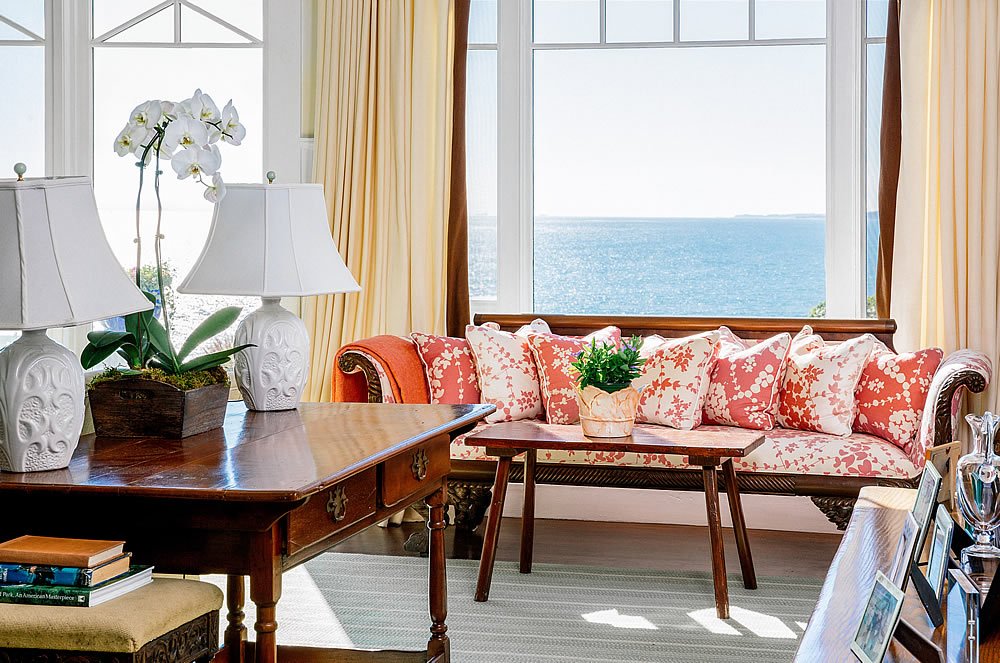
Choosing fabric online has never been easier. With thousands of designer patterns, colors, and textures available, it's possible to browse beautiful collections from the comfort of your home.
But no matter how detailed a product photo may be, it can never fully capture what a fabric looks and feels like in person.
That's why professional interior designers almost always request fabric samples before making a final decision.
Whether you're selecting upholstery, drapery, decorative pillows, or coordinating fabrics for an entire home, ordering samples is one of the smartest steps you can take.
Here's why fabric samples matter and how they can help you create a beautiful, cohesive interior.
One of the biggest reasons to order fabric samples is that color changes depending on its surroundings.
Natural daylight, evening lighting, paint colors, flooring, and nearby furnishings all influence how a fabric appears.
A soft blue fabric may look bright and airy in a sun-filled room but appear deeper and more muted in a space with limited natural light.
Similarly, warm artificial lighting can enhance cream, beige, and gold tones, while cooler lighting may emphasize blues and grays.
Seeing a fabric in your own home provides a much more accurate impression than viewing it on a computer or phone screen.
Texture is difficult to judge from photographs.
Some fabrics feel crisp and structured.
Others are soft, relaxed, smooth, or richly woven.
By handling a fabric sample, you can better understand:
The texture
The weight
The flexibility
The overall quality
How the material feels
These characteristics play an important role in both comfort and appearance.
A fabric that looks perfect online may not have the texture you envisioned until you experience it firsthand.
A fabric pattern often appears much different in person than it does on a screen.
A floral that seems delicate online may actually be a large-scale statement print.
Likewise, a geometric pattern that looks bold in a product photo may feel surprisingly subtle once viewed at its true size.
Fabric samples help you evaluate whether the scale works for your project.
This is especially important for:
Upholstery
Curtains
Roman shades
Headboards
Decorative pillows
Choosing the right pattern scale helps create a balanced and harmonious room.
Professional designers rarely choose fabric by itself.
Instead, they compare it alongside other materials in the room.
Lay your fabric sample next to:
Wallpaper
Paint swatches
Flooring
Cabinet finishes
Rugs
Furniture
Decorative accessories
Seeing these materials together makes it much easier to determine whether everything works as a cohesive design.
This process often reveals subtle color relationships that aren't obvious when viewing products separately.
It's common to have more than one favorite fabric.
Rather than guessing which one will work best, order several samples and compare them side by side.
Looking at multiple options together makes differences in color, texture, and pattern much easier to recognize.
Often, the right choice becomes obvious once the fabrics are viewed in the room.
Taking time to compare samples can lead to more confident decisions.
Lighting changes throughout the day.
A fabric that looks beautiful in the morning may appear completely different in the evening.
Before making a final decision, view your samples:
In morning sunlight
During the afternoon
Under evening lighting
With lamps turned on
On cloudy days if possible
This helps ensure you'll enjoy the fabric regardless of the time of day.
Samples also help you determine whether a fabric suits the personality of the room.
Ask yourself:
Does it feel formal or relaxed?
Does it support my decorating style?
Does it coordinate with nearby spaces?
Will I still enjoy it several years from now?
A beautiful fabric should fit not only the room but also the overall character of your home.
Replacing custom upholstery or drapery after installation can be expensive.
Ordering samples before placing a full fabric order is a simple way to reduce the risk of disappointment.
By confirming color, texture, and scale in advance, you're much less likely to encounter surprises once the finished project is complete.
For many homeowners, this small step provides valuable peace of mind.
Fabric samples become even more important when creating custom interiors.
If you're investing in:
Custom curtains
Upholstered furniture
Headboards
Roman shades
Decorative pillows
Window seats
Benches
samples allow you to make informed decisions before committing to custom work.
Since these projects are often tailored specifically for your home, reviewing samples beforehand is well worth the effort.
Professional designers almost never select fabric without seeing it in person.
Samples are a standard part of the design process because they allow designers to evaluate how materials interact with one another.
They compare colors.
They study textures.
They review pattern scale.
They observe lighting conditions.
This careful process helps create interiors that feel balanced, cohesive, and thoughtfully designed.
Homeowners can benefit from following the same approach.
Fabric samples may be small, but they play a big role in successful interior design. They allow you to evaluate color, texture, pattern scale, and quality in the environment where the fabric will actually be used.
Whether you're selecting upholstery, drapery, bedding, or decorative accents, taking the time to review samples can help you make more confident decisions and create a home that feels beautifully coordinated.
Before committing to a fabric, let the sample tell the full story. It's one of the simplest ways to ensure the finished result is everything you envisioned.